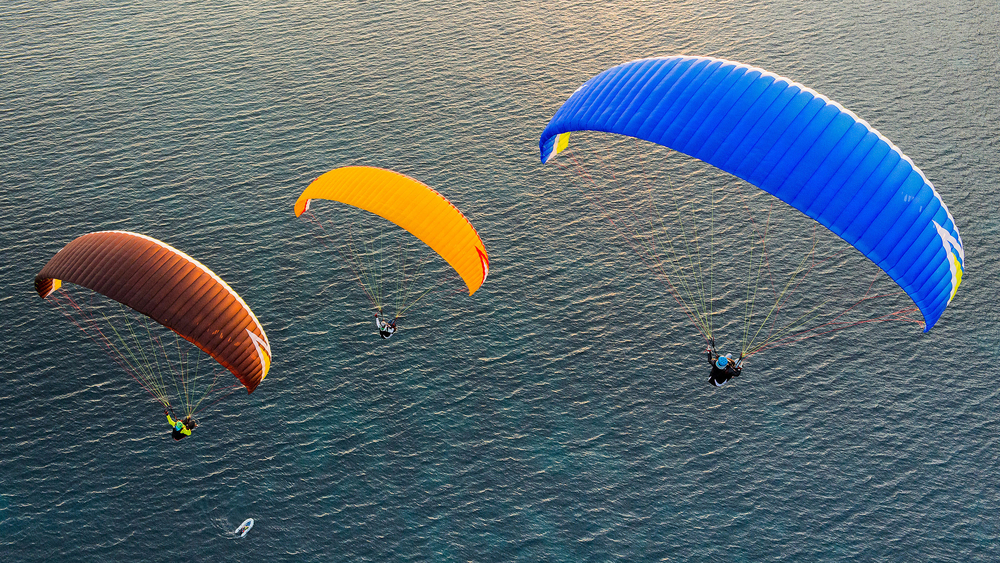
Flying with the Ion 3 in Monaco. Free for editorial use. Photo by Manuel Fasser
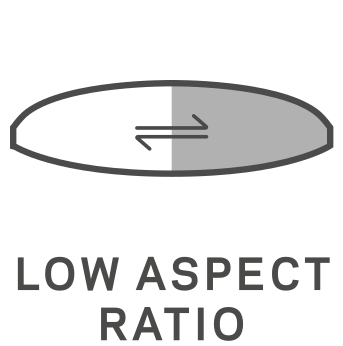
Performance for all. The ION 3 is a big leap forward: it outperforms the Ion 2 by more than half a glide ratio point and even performs better than the MENTOR 2, which set the standard for cross country wings in the high-end EN-B class up to the end of 2012. How is this possible? Using increasingly sophisticated and comprehensive simulation software we are able to use the computer to make very detailed predictions as to how the wing will perform in the air. This allows us to manufacture simple wings with ever increasing performance. No other wing combines the characteristics of low aspect ratio, easy flight behaviour, performance and safety like the Ion 3. The Ion 3 offers unimaginable possibilities but at the same time it is remarkably gentle in its reaction to collapses. This is the reason we feel the Ion 3 is our most efficient paraglider so far: beginners, old hands, recreational pilots and cross country hounds can equally take advantage of this revolutionary concept. Simply, performance for all.
Flying with the Ion 3 in Monaco. Free for editorial use. Photo by Manuel Fasser
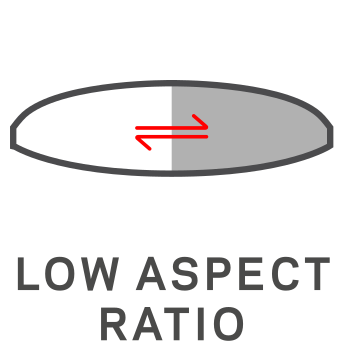
Enjoy flying. Paragliders with a low aspect ratio are not only safer – they are more fun too. Why? Because of the greater turning moment and the large span, high aspect ratio can mean more demanding handling. And with a higher aspect ratio the chord is smaller and therefore the brake travel to the stall point is reduced. It is a fine art to match wing geometry to brake adjustment in such a way that safety and fun are in perfect harmony. With the Ion 3 we have achieved exactly that: long brake travel, but simultaneously it is agile and willing to turn when applying a small amount of brake, without being too demanding for the pilot. In comparison to the Ion 2, which set a number of standards in its class, the Ion 3 is the logical next step in our aim to combine performance with fun. Brakes that stay efficient even in lively thermic air were particularly important to our test pilots. The Ion 3 carves a smooth turn. It greedily bites into the turn even in the roughest thermal; at the same time it is even more stable in roll than its predecessor.
Flying with the Ion 3 in Monaco. Free for editorial use. Photo by Manuel Fasser
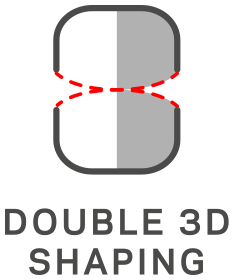
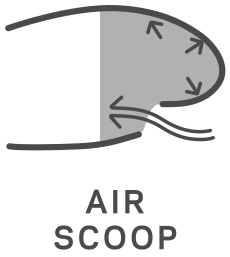
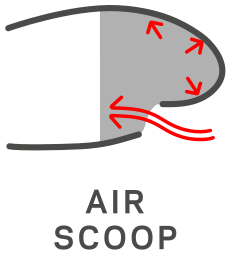
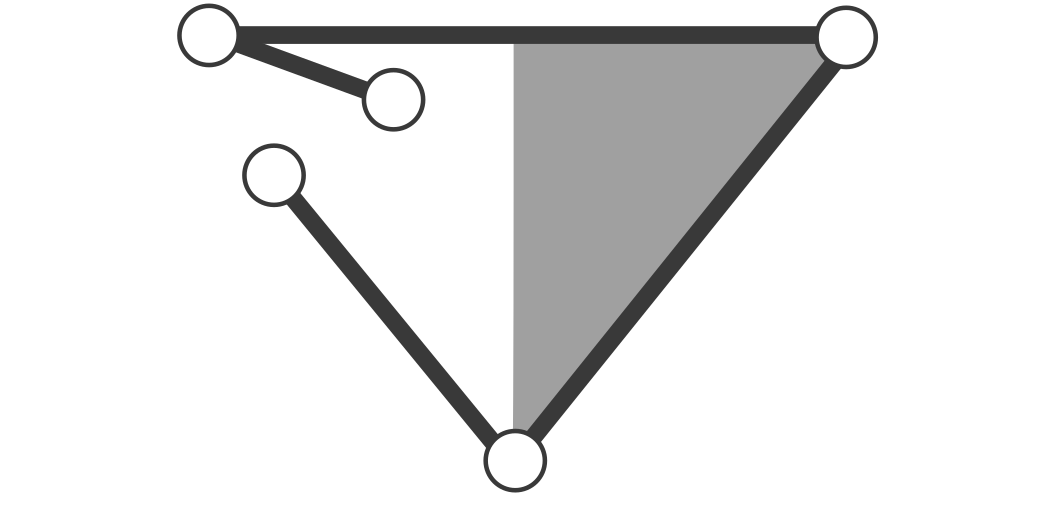
Simplicity and innovation. From our foundation it has been our mission to produce paragliders which are as simple, but also as powerful, as possible. In many ways simple ideas are an advantage, especially in the air. The reactions of the wing are more predictable. The pilot knows what to expect. The Ion 3 follows this tradition of innovative simplicity. It gains its advantages not primarily from increasing complexity, but from increased knowledge – in other words, real innovation. This includes our know-how in analysis and simulation processes, which permits us to better develop paragliders as a whole. One visible result of this analytical work is SmartCells, a new innovation in paragliding. The cells are of variable width, depending on their load. This has a positive impact on performance and handling. As already featured on the Mentor 3, the Ion 3 has double 3D-Shaping. Air Scoop was included in the Rookie and has been further developed to increase the internal pressure during accelerated flight – this increases performance and resistance to collapses. Therefore the Ion 3 is a big leap in progress.
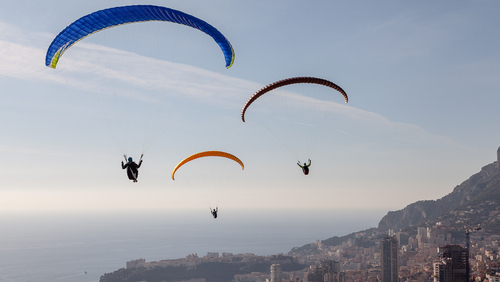 Flying with the Ion 3 in Monaco. Free for editorial use. Photo by Manuel Fasser
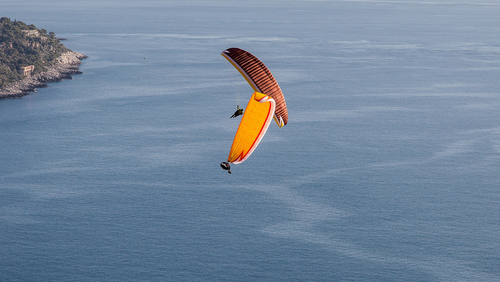 Flying with the Ion 3 in Monaco. Free for editorial use. Photo by Manuel Fasser
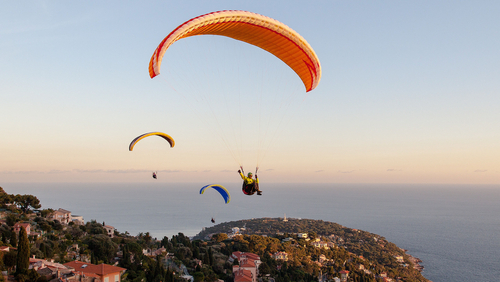 Flying with the Ion 3 in Monaco. Free for editorial use. Photo by Manuel Fasser
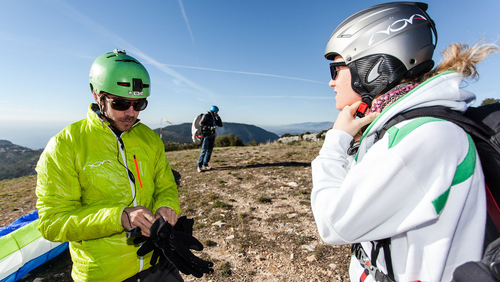 Flying with the Ion 3 in Monaco. Free for editorial use. Photo by Manuel Fasser
 Flying with the Ion 3 in Monaco. Free for editorial use. Photo by Manuel Fasser








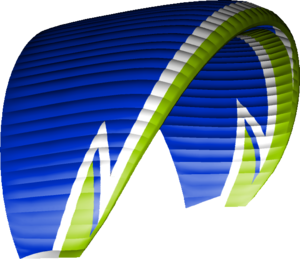 Blue
Blue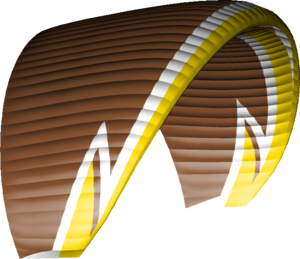 Brown
Brown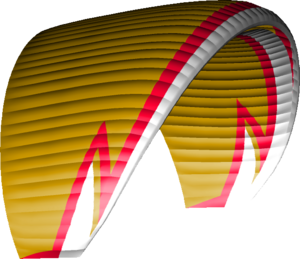 Gold
Gold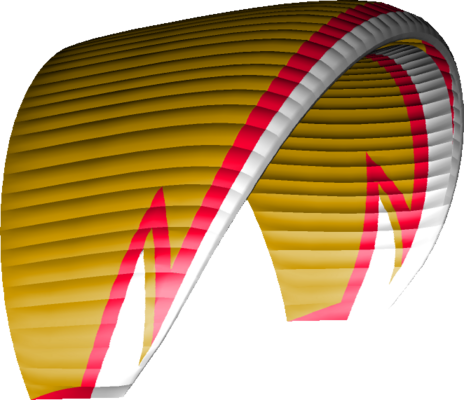




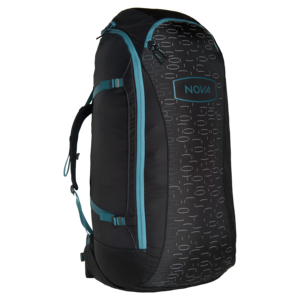 NOVA Rucksack.
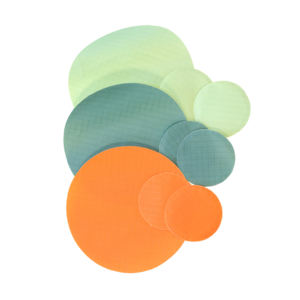 Repair kit.
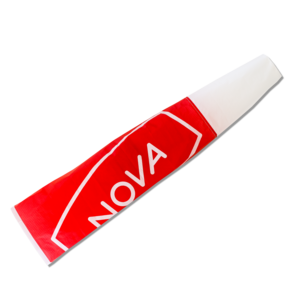 NOVA windsock.
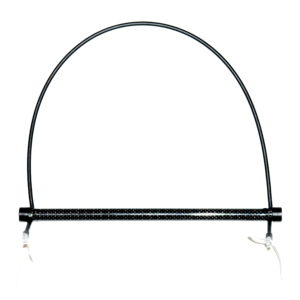 Speed system.
 Manual.